
This post is also available in:
 Português
NFTs (Non-fungible tokens), in layman’s terms, are crypto tokens representing something unique that is irreplaceable with anything else. NFT stands for Non-Fungible Token, where ‘non-fungible’ means that each token is not replaceable or interchangeable with another, emphasizing its uniqueness.
To help beginners, let’s cover the basic concepts of NFTs, including what makes them different from other digital assets. The NFT stands for Non-Fungible Token, highlighting that each NFT is distinct and cannot be exchanged one-to-one with another NFT. NFTs are built on blockchain technology, and NFT stands for a new way to verify ownership and authenticity of digital items.
A fungible asset can be cash, which is easily transactional, or an ounce of gold that can be equally exchanged with another ounce. NFTs are unique and cannot be exchanged on a like-for-like basis with other assets, setting them apart from traditional or digital assets that are fungible.
The Genesis of NFTs
For several reasons, 2021 was the year of NFTs. However, if you are following the latest news, development, and the hype surrounding non-fungible tokens, you will know that, though it seemed to appear out of the blue, they do go back as far as 2012.
Historically, the concept of NFTs has been around long before Ethereum’s creation. In fact, on Dec. 4, 2012, Meni Rosenfeld released a paper that introduced the concept of “Colored Coins” issued on the Bitcoin blockchain. Fast forward to 2014, after the creation of Ethereum, NFTs found a new home on the ETH blockchain because it introduced a set of token standards that allowed the creation of tokens by developers.
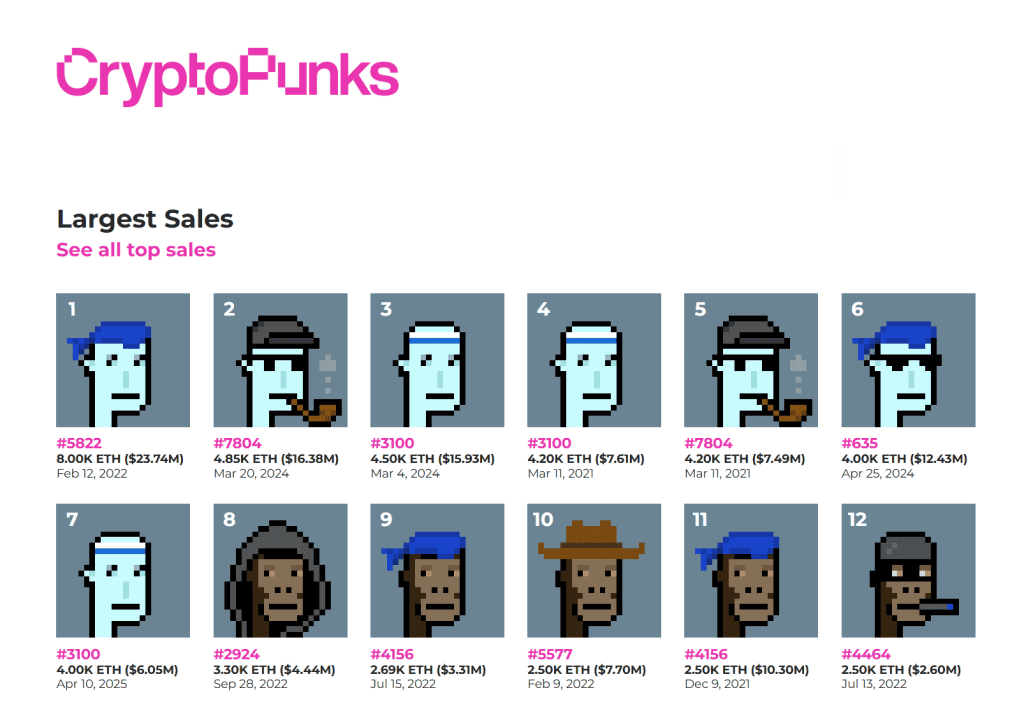
The first NFTs emerged as digital representations of physical collectibles and art, with early examples including trading cards, CryptoPunks, and CryptoKitties. Trading cards were among the first applications of NFTs, allowing users to buy, sell, and trade digital collectibles much like traditional trading cards.
Many people associate cryptocurrency with the blockchain, but the network is regarded as the future of technology for several reasons. One of them is that it takes digital assets to another level. Bitcoin is fungible, meaning it is exchangeable for another cryptocurrency token in a transaction. The art world has also embraced NFTs, with major auction houses and digital artists participating in the CryptoArt movement, further integrating NFTs into both traditional and digital art scenes.
Three factors distinguish NFTs, and they are:
- Verifiable ownership
- Collectibles
- Social status symbols
Non-fungible tokens are publicly verifiable. Everybody knows its inherent unexchangeable value. Also, NFTs are collectibles. Investors collect NFTs for their inherent value or perceived value. For example, if you feel like a particular digital art can attain greater value in a few years, you may decide to invest in it.
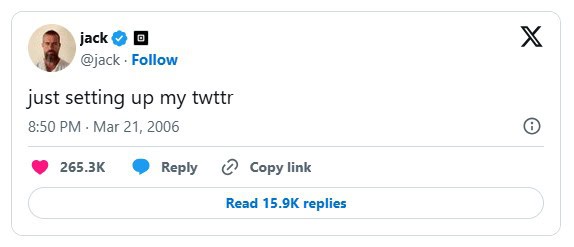
NFTs are status symbols. This may sound ridiculous, but the primary operating factor here is human psychology. More importantly, the human perception of value is changing drastically due to the instrumentality of technology. A notable example is a tweet listed by Twitter’s co-founder, Jack Dorsey. That tweet ended up selling for almost $3 million. That right there is the factor of human psychology at play.
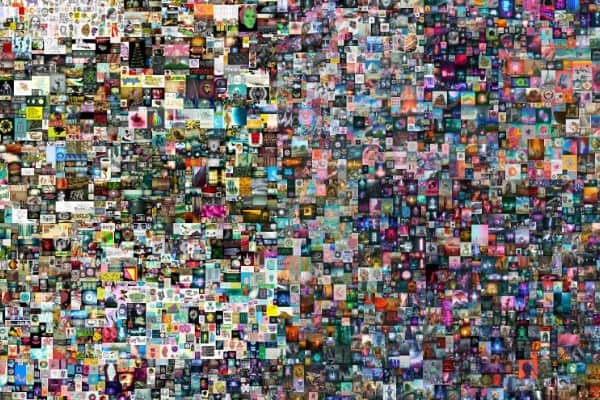
The most famous NFTs are highly expensive but may not look like what traditional artists validate as art. The Beeple NFT was sold for a whopping $69 million.
Why you should explore NFTs
In today’s world, almost anything can be tokenized into NFTs. There are songs, digital arts, recipes, events, startups, digital collectibles, and digital content that have been listed as NFTs. NFTs can also represent digital versions of physical items, such as trading cards or toys, which can be bought, sold, and traded online. Each NFT represents a specific asset, whether digital or physical, serving as a certificate of ownership or authenticity on a blockchain network. The market is still in its infancy, and the best time to start exploring it is now. Moreover, there are very few restrictions on what can be listed and purchased.
How to engage NFTs
There are two primary ways in which you can choose to explore non-fungible tokens. You can either create one or purchase one.
You can create digital art and list it on an NFT market space for sale. If you are a beginner, you may want to learn how to make an NFT by following the minting process on popular platforms. This process creates a unique digital asset that is registered on the blockchain. Buying is also a great option if you dont want to create one. Some people have chosen to be collectors of non-fungible tokens.
Either by creating or by purchase, both arrive at the same conclusion: you can own NFTs and manage NFTs as part of your digital portfolio.
How to get started
Getting started on NFTs is not a big challenge. An NFT marketplace is a dedicated platform where NFTs are bought and sold, allowing users to trade digital assets securely. It consists of only three pivotal steps, which are:
- Get an Ethereum wallet
- Stock it up with some Ethereum coins
- Link up the wallet with an NFT marketplace such as *OpenSea
*OpenSea is an open sea of digital assets. When choosing a marketplace, keep in mind that platforms specialize in different types of NFTs or blockchains. You can also consider alternatives, such as Binance Smart Chain, for minting NFTs. Be sure to evaluate transaction costs and environmental impact, as these factors can vary depending on the blockchain and consensus mechanism used by the NFT marketplace.
Don’t worry, I’ll walk you through the process.
Get an Ethereum Wallet
This process involves signing up for a crypto wallet that uses the Ethereum coin. Many other wallets offer the use of ETH in their blockchain transactions, including Coinbase, Metamask, Rainbow, and many more.
What the wallet does is provide you with a safe place where you can keep the cryptocurrency with which you’d purchase your NFT. Also, with this wallet, you can sign up and set up an account on an NFT market space.
Many free wallets allow you to make seamless transactions across the blockchain. One of these is the purchase of your desired NFT.
Stock up your wallet with Ethereum
Once you have gotten your cryptocurrency wallet set up, what you want to do next is purchase Ethereum into the wallet. Without it, you cannot start listing NFTs or purchasing one. Depending on the kind of wallet, you can purchase Ethereum with other cryptocurrencies or your regular credit card. There is no rule as to how much Ethereum you can have in your wallet. However, regardless of how much you are willing to invest at first, you can add to it as you go.
Link up your wallet with an NFT market space
Before joining a market space for NFTs, you would be required to sync your digital wallet with the market platform. This way, you can easily make non-fungible token transactions. There are several market spaces you can choose from. Examples include Rarible, Opensea, Zora, SuperRare, LooksRare, Magic Eden, which cover Layer‑2 gasless minting, wallet guides (Phantom, WalletConnect v2), and many more.
These platforms facilitate NFT selling and the launch of an NFT project, allowing creators and investors to profit from trading and auctioning digital assets. Each NFT is a digital asset stored on the blockchain, providing proof of ownership and authenticity. Intelligent contracts and smart contracts are used to automate transactions and ownership transfers securely and transparently on these platforms.
Popular NFT Collections
Popular NFT collections have rapidly become a cornerstone of the digital world, offering collectors, creators, and investors the chance to own, trade, and showcase unique digital assets. These collections are more than just digital files. They represent ownership, creativity, and status within the NFT community, and are bought and sold on a variety of NFT marketplaces.
One of the most iconic NFT collections is the Bored Ape Yacht Club. This collection features a series of unique digital artwork pieces, each depicting a distinct cartoon ape with its own personality and style. Stored securely on the Ethereum blockchain, each Bored Ape is a non-fungible token, meaning it’s a one-of-a-kind digital asset that can’t be replicated or replaced. Owners manage these NFTs in their digital wallets and can buy, sell, or trade them on popular NFT marketplaces like OpenSea, where the NFT art market is thriving.
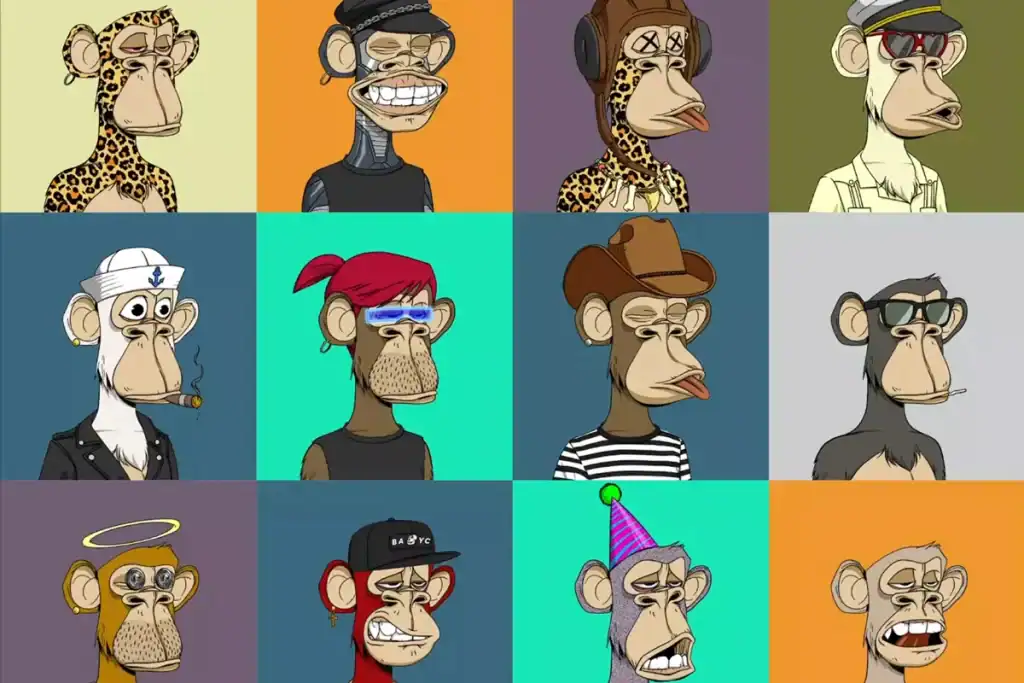
Another trailblazer in the NFT space is CryptoPunks, widely recognized as one of the first NFT projects on Ethereum. With 10,000 unique digital characters, each CryptoPunk is a digital collectible with its own set of traits, making them highly sought after in the NFT market. Some CryptoPunks have sold for millions, highlighting the value that unique digital assets can command.
The NFT art market has exploded in recent years, with digital artists creating everything from abstract art to animated videos, all as NFTs. These digital assets are stored on blockchain technology, which acts as a digital certificate of authenticity and ownership. As a result, many investors are drawn to buy NFTs as a way to diversify their portfolios and participate in the constantly evolving digital asset landscape.
NFT art market has exploded
NFT marketplaces such as Rarible, SuperRare, and Mintable specialize in trading NFTs, offering a wide selection of digital artwork, collectibles, and even virtual real estate. These platforms make it easy to buy and sell NFTs, manage your digital assets, and participate in NFT transactions with transparency and security. To get started, you’ll need a digital wallet, like MetaMask, Trust Wallet, or Coinbase Wallet, to store your NFTs and purchase cryptocurrency for transactions.
NFTs aren’t limited to art. The digital world of NFTs now includes video game items, domain names, and virtual real estate, expanding the possibilities for what can be owned and traded as a unique digital asset. As the NFT space continues to grow, new NFT collections and projects are constantly being created, offering fresh opportunities for creators and collectors alike.
Some of the most expensive NFT sales have made headlines around the world. Beeple’s “Everydays: The First 5000 Days” sold for over $69 million, while Jack Dorsey’s first tweet was sold as an NFT for $2.9 million. Even individual CryptoPunks have fetched prices upwards of $1.4 million, demonstrating the immense value that unique digital assets can achieve in the open market.
Managing NFTs
Managing NFTs is straightforward with the right tools. Digital wallets like MetaMask and Trust Wallet allow you to securely store, send, and receive NFTs, while platforms like Coinbase Wallet make it easy to purchase cryptocurrency needed for NFT transactions. As more social media platforms and NFT marketplaces emerge, the process of buying, selling, and creating NFTs becomes even more accessible.
In summary, popular NFT collections have opened up a new frontier in the digital world, allowing anyone to own, trade, and showcase unique digital assets. Whether you’re interested in digital artwork, collectibles, or virtual real estate, the NFT market offers endless opportunities for creativity, investment, and community. As the technology and NFT community continue to evolve, now is an exciting time to explore what NFTs have to offer.
How to create an NFT
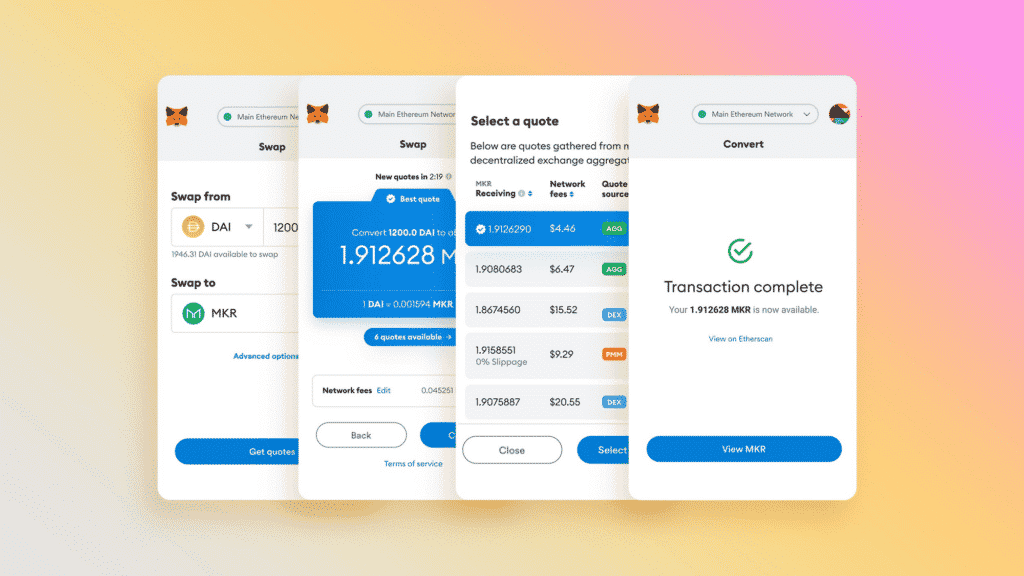
I know this question must have been burning in your mind. Contrary to many beliefs, NFTs are not random jargon. It takes a recognizable eye to notice its value, and just as mentioned, any content can be made into an NFT. Here is how.
- Note that there is no one way to create NFTs. If the market space supports the type of content you want to list, then it’s an NFT!
- Create a digital art file for your non-fungible tokens.
- Place a price on your art and list it on the market space.
- Once you have placed your NFT on the market for listing, anybody can discover it without the hassle and make a bid for it.
NFT Royalty & Licensing Structures
Creators can set ongoing royalties, for example, 2%, 5%, or 10%, on every resale. When an NFT trades again, the smart contract automatically sends your chosen share back to your wallet. This automated payment feature ensures you keep earning as your art changes hands. Plus, many platforms let you adjust royalties later, so you stay flexible as your work’s popularity grows.
How to Value NFTs
Another important aspect is determining the value of a non-fungible token. NFTs offer a unique certificate of ownership and authenticity for digital and physical assets, making them valuable for collectors and creators. NFT developers play a key role in creating and maintaining these valuable NFT projects, ensuring their functionality and security on blockchain platforms. This is important, especially with several circulating predictions that many NFTs may fail. How do you make sure to go for the token that would keep rising in value?
You can go about this in three ways.
- Rarity: The quality of a token of being rare is its ability to be celebrated. People are attracted to newness, and they easily associate value with it. Verify the unique quality of your desired NFT.
- Functionality: Besides its ability to be celebrated, does it have another use? This could be a great pointer to the inherent value present or the attainable future value.
- Uniqueness: Remember that the non-fungible attribute speaks to uniqueness. This is the primary basis for the value of an NFT.
Conclusion
With all that has been said, you can easily say that the blockchain is the future, and NFTs just happen to be a tiny aspect of that future that is being unraveled. Now is the best time to get started. Who knows, your first piece of non-fungible token may end up becoming the Mona Lisa of the blockchain. Sounds fascinating, right?
Good luck getting started, and let us know how it goes in the comments.

I’m no longer sure the place you’re getting your info, but great topic. I must spend a while learning more or working out more. Thank you for wonderful info I used to be searching for this information for my mission.
I feel that is one of the most vital information for me. And i am glad reading your article. However wanna commentary on some normal things, The site style is ideal, the articles is in point of fact excellent : D. Good job, cheers