


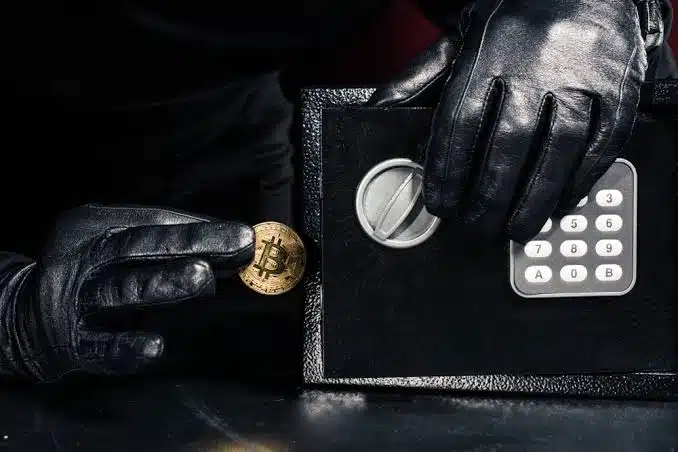
If crypto has been stolen, contact the exchange or wallet provider involved and report the theft promptly. Save transaction hashes, wallet addresses, dates, amounts and messages. This guide explains the reporting steps and the limits of recovery. The FBI’s guidance for crypto scam victims explains which details to preserve and warns that recovery offers may be another scam. Recovery is not guaranteed; do not pay someone who contacts you promising to get the funds back.
Although cryptocurrencies and their associated technologies have achieved increased adoption and global attention in the last decade, hackers are stealing more money than ever. Chainalysis reports that thieves stole approximately $2.2 billion in cryptocurrency in 2024, representing a 21% increase over the previous year. The trend worsened in 2025: CertiK reported nearly $2.5 billion lost to hacks and scams in the first half of 2025, with net losses (after some funds were frozen or returned) still totaling about $2.29 billion across 344 incidents. The biggest hit so far was a single $1.5 billion theft from the Bybit exchange, which investigators link to North Korean attackers. These incidents highlight the significant amount of crypto lost to theft, underscoring the scale of the problem facing investors.
- Why You Should Be Extra Careful With Your Crypto
- Can Stolen Crypto Be Recovered?
- How Do You Know Your Crypto Wallet(s) Have Been Hacked?
- 5 Ways Your Crypto Assets Can Be Stolen
- How to Recover Stolen Cryptocurrency: Practical Steps
- Why Recovering Stolen Crypto Assets Might Be Difficult
- Determine if Recovering The Asset is Worth It
- 5 Tips To Help Prevent Future Theft – How to Recover Stolen Cryptocurrency
- Final Words on How to Recover Stolen Cryptocurrency
- Frequently Asked Questions About Stolen Cryptocurrency
Why You Should Be Extra Careful With Your Crypto
Worse still, these hackers can disappear into the comforting anonymity the internet offers forever. If you have invested in Bitcoin, Ethereum, or other tokens, here are two key truths you must bear in mind: 1) Your investments are a target for hackers and thieves, and 2) Getting back your stolen crypto can be tough, if possible at all.
While the former is something to keep in mind, the latter proves a daunting challenge. This is because crypto transactions are usually pseudonymous and often irreversible. The decentralized nature of cryptocurrencies, powered by blockchain technology, means there is no central authority to reverse transactions or assist in asset recovery. Up to 3.8 million bitcoins have been lost, according to a report by Unchained Capital, further underscoring the risks of digital asset management. Blockchain transfers generally cannot be reversed, but investigators can often trace movements on public ledgers. Identifying the person controlling an address, freezing funds and recovering them are separate challenges.
Can Stolen Crypto Be Recovered?
If hackers access your crypto wallet, recovery is sometimes possible, but there is no reliable universal recovery rate. The outcome depends on the evidence, the destination of the funds and whether exchanges or law enforcement can act. This guide explains the practical next steps.
Keeping your wallet secure is only half the battle. Scammers also lure victims with promises of “guaranteed” returns. Before sending funds to any project, double-check who is behind it and whether the offer sounds too good to be true. To see how these frauds work (and the warning signs to watch for), read our detailed breakdown of a recent fake-investment scam: How Fake Investors (Almost) Scammed a Tech Startup Out of $1.2M in Crypto.
We look at pointers to a possible hack and/or theft, ways in which hackers and thieves operate to steal crypto assets, how you can recover your funds, and how to prevent future breaches. Remember, losing your private key or seed phrase can mean permanently losing access to your assets, so safeguarding them is critical. That said, let’s get to it.
How Do You Know Your Crypto Wallet(s) Have Been Hacked?
Most hackers operate by prowling the internet, looking for weaknesses to exploit. While technological advancements are making crypto wallets more secure than ever, crypto thieves still employ social engineering schemes, including hacks and phishing scams, to get their way.
How can you tell whether someone has stolen crypto from your wallet? Simple: if you notice unauthorized transactions from your crypto wallet (especially outflows), a breach has occurred. Be sure to record the transaction IDs for any suspicious activity, as this information will be important for any recovery attempts. Wallet alerts can help you spot unauthorized transfers sooner.
Another pointer to a possible hack is strange transactions on your credit or debit card, especially if you connected them to your wallet. Many crypto thieves stop short of stealing your money, but some take it a step further.
5 Ways Your Crypto Assets Can Be Stolen
1) Compromised SMS verification Process
Crypto thieves who use this attack method target people who often use cryptocurrencies. When you use a centralized exchange (CEX), two-factor authentication is often active on your mobile phone. Usually, the aim of a thief here is to intercept SMS verification from the exchange. This compromise can occur through various means, such as cloning, voice phishing, SIM card cloning, or wiretapping. Once compromised, they use these SMS codes to “recover” or obtain access to your crypto wallet.
2) Malware
Malware never leaves the toolkit of hackers and cybercriminals. Malware infections remain popular among crypto hackers and are highly effective against weakly secured assets. How does malware work? Simple: the hackers infect devices with keyloggers that steal your PINs and passwords. Malware can record passwords, replace copied wallet addresses or trick you into approving malicious transactions. The malware then redirects passwords or PINs to malicious websites that your browser often fails to detect. These malicious websites either download ransomware or other malware onto your device or steal your sensitive details. You can read more about malware and ransomware here.
3) Phishing Attacks
Phishing is a common route into crypto accounts, often through fake login pages, messages or wallet-connection requests. In phishing, the potential victim grants access to their vaults themselves, tricked by forged information that resembles legitimate emails and websites of cryptocurrency exchanges. Usually, to increase the potency of a phishing attack, the attackers send “confirmation” emails to unsuspecting users.
These emails contain links that take the users to fake websites where they must input their authentication details. Attackers then use those stolen details to access accounts or authorize transactions. Detecting potential phishing attacks requires you to carefully check domain names (for example, a phishing email may prompt you to click a link to opensea.com, even though the legitimate website is opensea.io). A padlock or HTTPS connection does not prove a website is legitimate; phishing sites can use HTTPS too. Open the exchange from a saved bookmark or its official app, and never enter a recovery phrase into a website.

4) Stealing Your Secret Keys
Usually, no financial operation(s) occurs with a cryptocurrency without two kinds of private and public keys. Private keys are only available to their holders and validate all transactions an owner carries out. Public keys are used to confirm private ones. Private keys are stored in crypto wallets, and if a wallet owner loses their private key, the assets become inaccessible forever. If a thief steals your private key, they can transfer all your assets to a different wallet, and you will lose them forever.
Attackers may steal keys through malicious browser extensions, fake wallet apps or compromised devices. Hot wallets are also lucrative because they usually run on CEXs (think Binance or Kraken wallets). Hardware wallets keep signing keys offline, but losing the device does not necessarily mean losing the coins. A properly secured recovery phrase can restore access; losing both can make recovery impossible.
5) Mobile Applications With Poor Security Infrastructure
Although many crypto asset holders don’t know it, not all exchanges and trading applications are secure. This could result from security backdoors or poor architecture, making them susceptible to cyberattacks. These platforms are often susceptible to data leaks, including API keys and users’ sensitive information, which may be stored in unencrypted databases. When these attacks occur, the attackers may steal crypto assets stored on these exchanges and applications.
How to Recover Stolen Cryptocurrency: Practical Steps
In the paragraphs above, we outlined signs of a possible theft, but if the worst happens, can you recover your stolen cryptocurrency? A confirmed blockchain transfer generally cannot be reversed by a wallet provider, but recovery may still be possible through an exchange, law enforcement or legal action. Digital assets are intended for one-way transactions. Unauthorized transactions involving stolen funds are just as (un)secured as authorized transactions. Safe practices can help avert future theft.
Start by securing the affected exchange account and email from a clean device. Preserve transaction hashes, addresses, amounts and communications; contact the exchange’s official fraud team and report the theft to local authorities promptly. Never give a helper your seed phrase or private key, and do not send more funds to “unlock” a recovery.
Why Recovering Stolen Crypto Assets Might Be Difficult
Many public blockchains expose transaction trails, but addresses are usually pseudonymous. Mixers, bridges and transfers across services can complicate analysis. Identifying a destination is different from identifying its controller or securing the legal cooperation needed to return funds.
Yes, most activities leave traces you can follow to unmask the criminal. Even if you successfully obtain the details via public ledgers, you have very few options to recover your stolen funds because cryptocurrencies are naturally decentralized. Tumblers (coin-mixers) attempt to obscure transaction trails by blending funds, which can complicate tracing and may involve illegal services; they don’t guarantee anonymity and can still be unraveled by investigators.
Recovery becomes harder once stolen crypto is converted into fiat currency. Tracing the funds does not guarantee that you can get them back.
Determine if Recovering The Asset is Worth It
Because recovering stolen crypto assets can be emotionally draining and expensive, it is important to weigh your options before proceeding. It’s up to you whether it is worth the while to get professional help or let go. This is especially true if you haven’t invested a large portion of your funds in crypto. However, if you have lost a significant amount, recovery efforts may be more worthwhile. Depending on the circumstances, there are various recovery options available, including legal avenues such as civil litigation.
The following recovery options may help, depending on the circumstances; none guarantees the return of stolen funds:
Use a Bounty Hunter or Recovery Service
Some websites allow you to post bounties if you are willing to pay a reasonable amount to recover your funds. A blockchain locator expert will investigate the theft and determine if the funds are recoverable for a given price. However, it is important to note that these services are expensive and often do not provide additional information beyond what is publicly available.
You can also use a blockchain explorer, such as Blockcypher, to track money movement. The site provides the user’s Bitcoin address and looks it up on Bitcoinwhoswho to find the owner. For cases that need expert follow-up, you can also turn to specialized private services. Check our overview of the UK-based team highlighted in Crypto Legal Advocates for a Safer Crypto Environment.
Online, you can find a lot of so-called experts with Gmail contact addresses and fake reviews that say they can help or hack your wallet. Our experience is that many are just scammers who prey on the weak and those in difficult situations. Connect with a professional company or expert that has a proven track record in this field.
Reputable asset recovery services and crypto asset recovery firms use forensic blockchain tools to trace transaction flows, analyze blockchain data, and assist in recovering stolen or lost cryptocurrencies. Always verify the legitimacy of any asset recovery service, as many scams impersonate legitimate providers.
How to Recover Stolen Cryptocurrency: Reporting to the Police
Report the theft promptly: an official complaint preserves evidence and can support exchange cooperation, an investigation or a legal claim. Filing a report with local law enforcement is important to create an official record of the incident. Filing these reports can assist in the recovery process, even if immediate results are not guaranteed. You never know if you’ll have an insurance claim or a lawsuit. Evidence showing that you took the theft seriously can help if you need to prove it right.
PS: Contacting the authorities may not yield any fruit if your country of residence has outright banned cryptocurrencies or does not recognize them as legitimate financial assets. Reporting may prove counterproductive, as it could get you in hot water with the authorities.
Contact the Exchange Involved
If someone has accessed your account and stolen crypto, act immediately. Delaying the tracking process allows hackers to hide their traces by transferring your assets to cold wallets and subsequently to another exchange.
Contact the exchange’s official fraud team as soon as possible. It may be able to restrict an account or flag funds that reach its platform, but it cannot simply freeze coins held in an unrelated self-custody wallet. Exchanges may also assist by freezing assets or providing information to aid the recovery process. However, note that exchanges are not obligated to help. Additionally, some governments do not consider cryptocurrencies assets, which reduces the likelihood of government support.
To get across to the exchange, check out the Contact Us page on the exchange’s website.
Follow the money when recovering stolen crypto
In a blockchain, transactions leave trails that can be traced. It’s also quite easy to figure out the thief’s wallet address. You can track the recipient’s address. If you trace stolen funds to an exchange, contact its fraud team immediately with the transaction details.
Most exchanges require traders to provide Know Your Customer (KYC) details, such as their name and address, before converting cryptocurrency to fiat or trading. Reporting a case can help the exchange track down thieves. This is why reporting to the police is so important.
Once again, blockchain researchers such as Blockcypher can help you trace your assets. Public blockchain tools can show transactions associated with an address, but they generally cannot verify the real-world identity of the person controlling it.
However, it is important to remember that this method does not guarantee a return on your money.
5 Tips To Help Prevent Future Theft – How to Recover Stolen Cryptocurrency
It is crucial to stay informed about the latest scams and security threats in the crypto space to protect your assets and respond effectively to emerging risks. Our guide to cryptocurrency scams and warning signs covers common fraud tactics and practical steps to prevent them.
Here are a few tips to prevent the future loss of your crypto assets to thieves:
Enable multi-factor authentication
First, enable multi-factor authentication on your exchanges. Use an authenticator app instead of SMS. Where possible, avoid SMS authentication.
Set up your encryption account using a different email address and a unique password. We recommend creating a new email account that will only be used for cryptocurrency accounts. This reduces the likelihood that your email will be used against you. Inheritance strategies for digital assets can further enhance your security posture. It’s essential to plan how your digital assets will be managed and transferred in the event of your passing. Consult a financial advisor who specializes in digital inheritance for insights tailored to your situation.
Use A Hard or “Cold” Wallet And Spread Assets Across Different Exchanges
Store your cryptocurrencies offline in a “cold wallet” or in one of the best crypto wallets. Hardware wallets are a secure form of cold storage that keep your private keys offline and protected from online threats and hacking attempts. Hardware wallets are also non-custodial, meaning you retain full control over your private keys, which improves security compared to custodial solutions.
Our hardware wallet buying advice is simple: buy only from the manufacturer’s official website. Order Ledger directly from Ledger or Tangem directly from Tangem. Do not buy through Amazon, resellers, wholesalers, marketplaces, or other intermediaries. Never buy a second-hand, refurbished, or preconfigured wallet. Buying direct reduces supply-chain risks; it does not replace the manufacturer’s authenticity checks or secure setup.
In its October 2026 response to the hardware implant attack, Ledger described genuine devices modified to capture recovery phrases, then sold through resellers in Southeast Asia. Ledger says its chip, operating system, and servers were not compromised. This is why we recommend buying every hardware wallet, including Trezor, directly from its manufacturer.
Several crypto exchanges have been hacked recently. To reduce the risk of your funds being hacked, use a hardware wallet and keep the exchange for trading or short-term holding.
Keep Your Wallets Safe
The extra layer of security may make it a bit difficult to complete tasks in your wallet, but it is essential to protect your funds from intruders. If you own a crypto hardware wallet, make sure you have strong security measures in place and use it whenever possible. After all, no security measure is too much when your valuable crypto assets are at stake.
Improve Your Overall Security Apparatus
Take time to improve the overall security of the gadgets you use to access your crypto assets. Learn more about device security, antivirus, browser security, 2FA, VPNs, and password storage, and how to improve them using sites like Data Overhaulers and All Things Secured.
Protect Your Remaining Assets
If any of your crypto holdings remain in your compromised wallet, move them out. Delete that wallet and create a new one. Immediately change the passwords and secure codes associated with your account on the affected exchange. Change the email account connected to the account. If there is any reason to believe the device you used to log in to your account is compromised, please reformat it or, better still, stop using it altogether.
Final Words on How to Recover Stolen Cryptocurrency
It sucks to have your hard-earned crypto stolen. Worse still, these crypto assets may often be worth thousands or millions of dollars, more than many will ever make in their lifetimes. Recovering lost cryptocurrency can be extremely challenging, so understanding recovery strategies and best practices is crucial. Recovering Bitcoin or other digital assets isn’t like retrieving funds from a traditional bank account, since there are no rescue options or central authority to help.
However, protecting your funds and preventing a recurrence is more important. If you follow the tips in this guide, you are unlikely to become a victim of crypto theft (at least not to devastating proportions). What other option would you recommend to someone whose crypto has been stolen?
Keep transaction records and report new evidence through the official channels handling your case. Never share a recovery phrase or private key with anyone offering to help.
Frequently Asked Questions About Stolen Cryptocurrency
A wallet provider generally cannot reverse a confirmed blockchain transfer. Recovering funds instead may involve an exchange freezing assets it controls, law enforcement action or a legal claim. Tracing a payment does not guarantee its return.
Save transaction hashes, sending and receiving addresses, the blockchain network, amounts, dates and times, exchange records and communications with the suspected scammer. Report promptly to local authorities; US victims can also report to FBI IC3. The FBI reporting checklist explains which records are useful.
No. A wallet password change does not invalidate a stolen seed phrase. Create a new wallet with a new recovery phrase on a clean device and stop using accounts derived from the compromised phrase. If a sweeper bot is suspected, do not deposit additional gas tokens; follow your wallet provider’s compromised-wallet guidance. Revoking a malicious approval addresses a different risk and cannot make a leaked private key safe.
Possibly, if the assets reach accounts or infrastructure it controls. Contact its official support or fraud team immediately with transaction details and, if available, a police case number. An exchange cannot freeze every external wallet, and a freeze does not itself establish entitlement to a refund.
Do not disclose seed phrases or private keys, send money to an unsolicited helper or pay supposed taxes or release fees to unlock funds. Independently verify any company and its claims. The FBI warns about recovery scams; private companies cannot issue seizure orders. No legitimate adviser can guarantee recovery.